
The US needed to move a large army from America to France. It needed a lot of troopships. Requisitioned civilian liners and captured German ships that had been interned when the US was neutral provided the bulk of these vessels. Work on designs began soon after the initial work on mine layers,There were two separate groups of designs; one for transatlantic ships and another for cross channel movement. With one exception, these ships were not reported in ONI aide for information reports. They are represented only in bl patterns.ack and white photographs. Some of the ships carried more than one pattern during their service. They started in Mackay or Brush designs while the Navy camouflage section was being organized, and later received USN patterns.
id 3007 USS ANTIGONE in Mackay variation, May 1918
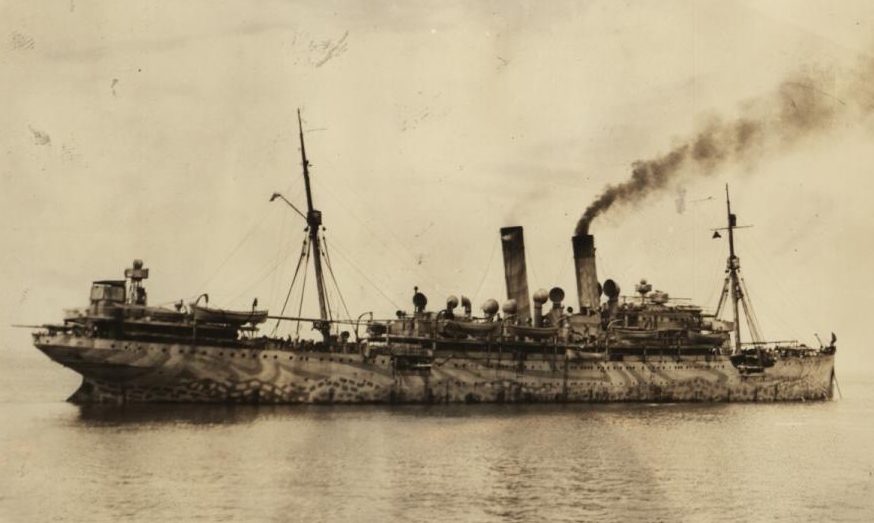
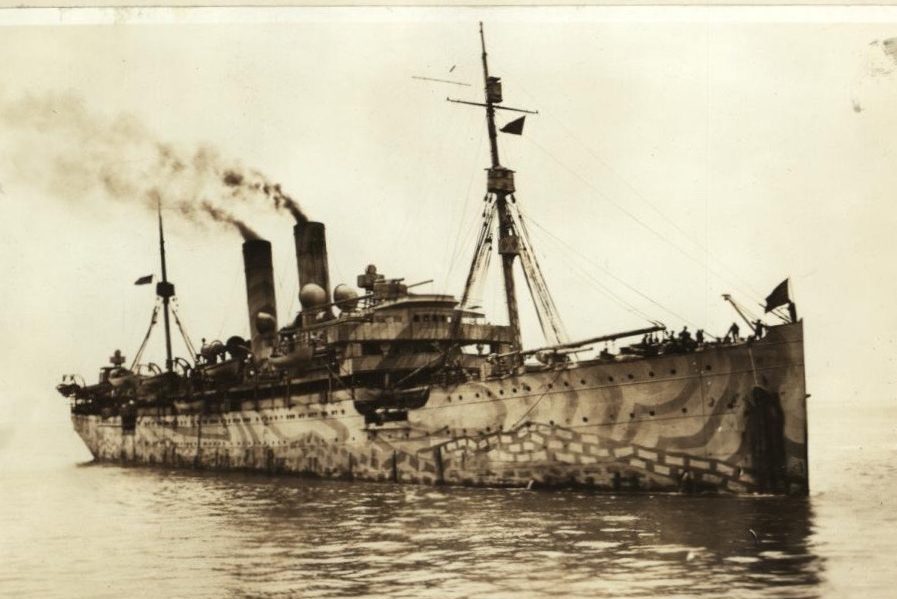
id 3007 USS ANTIGONE in pattern N45A 1918
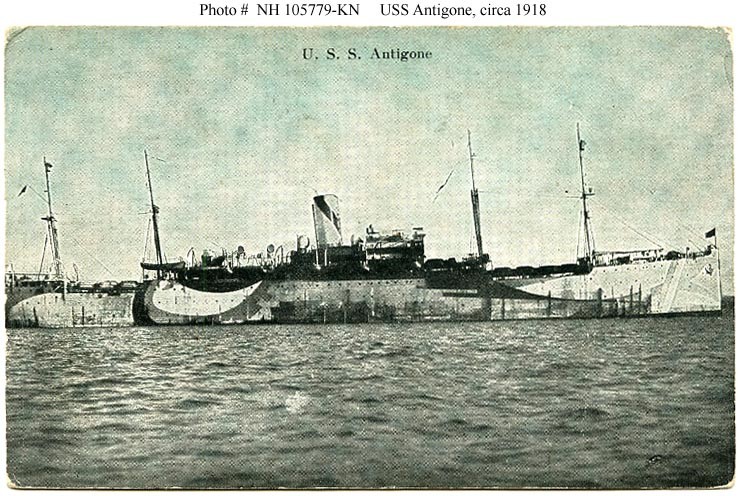
iid 3005 USS AEOLUS in pattern N37A
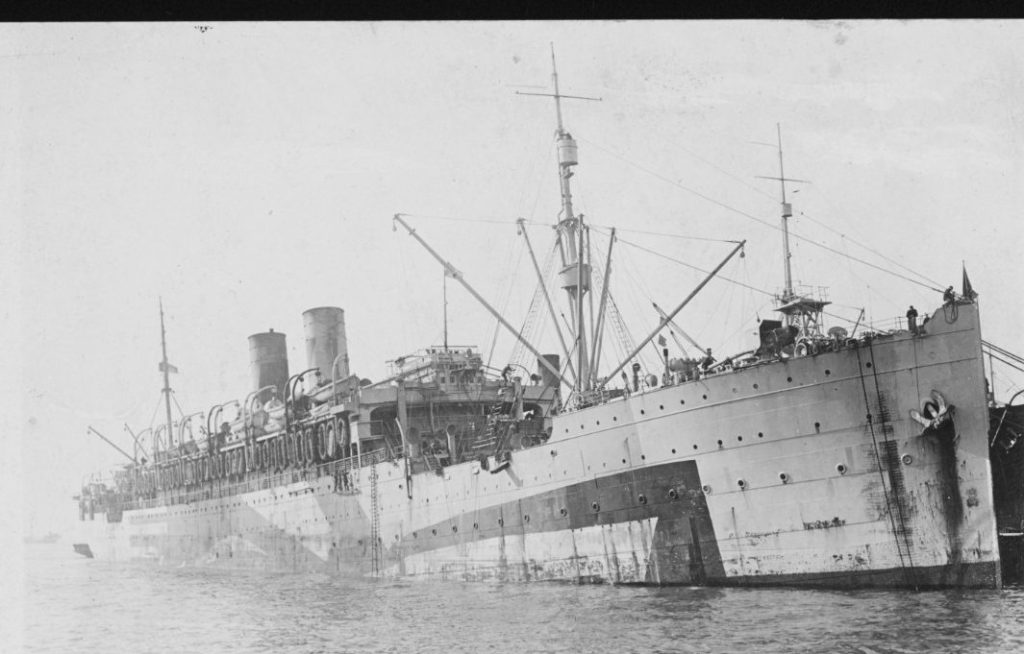
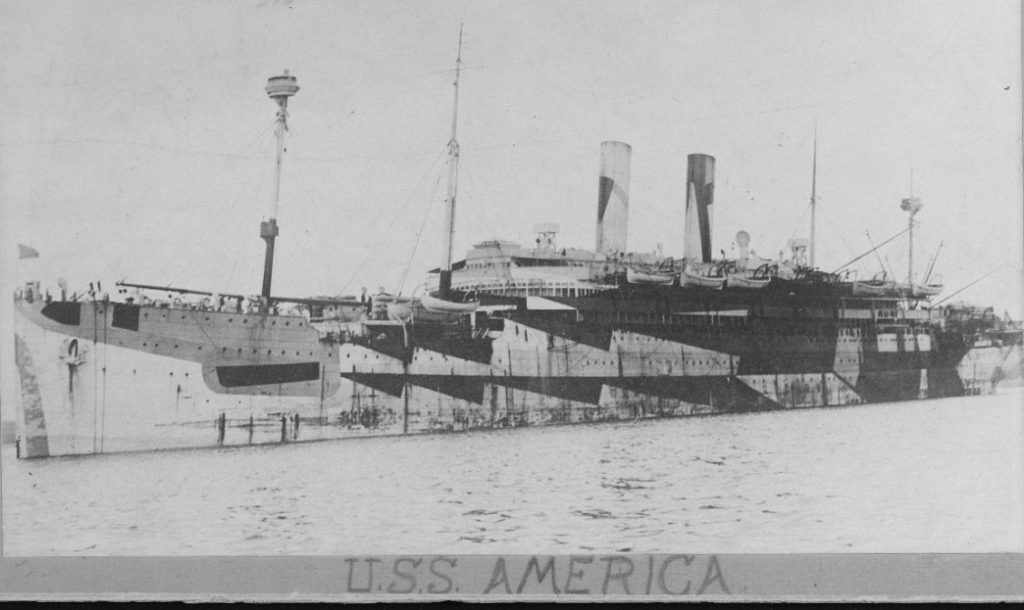
id 3006 AMERICA in pattern N21A
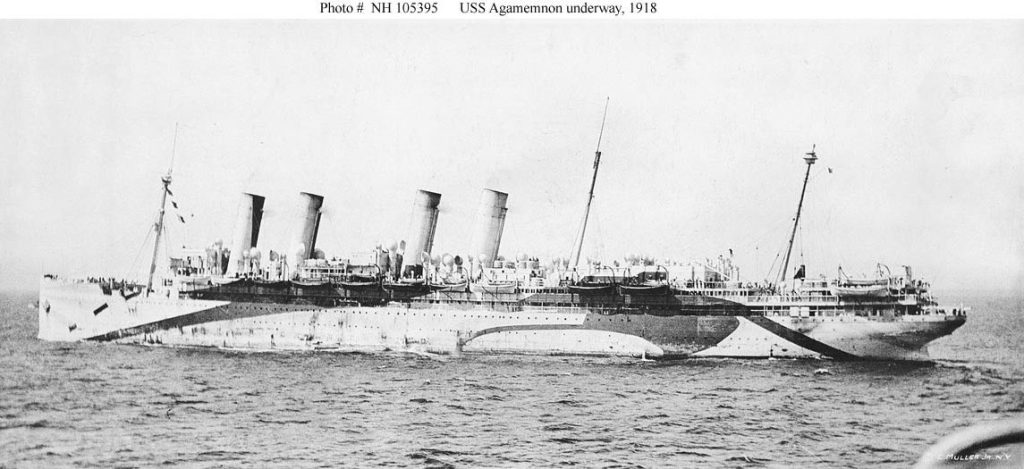
id 3004 USS AGAMEMNON in pattern N19A
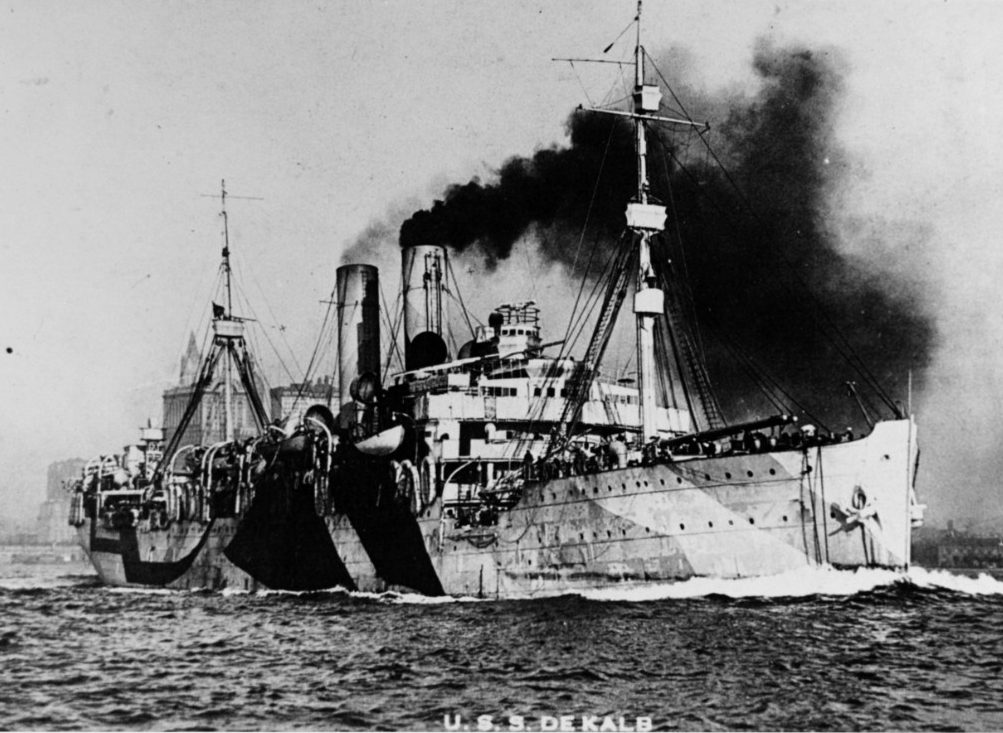
id 3010 USS DEKALB with false silhouette
id 3010 USS DEKALB in Mackay pattern
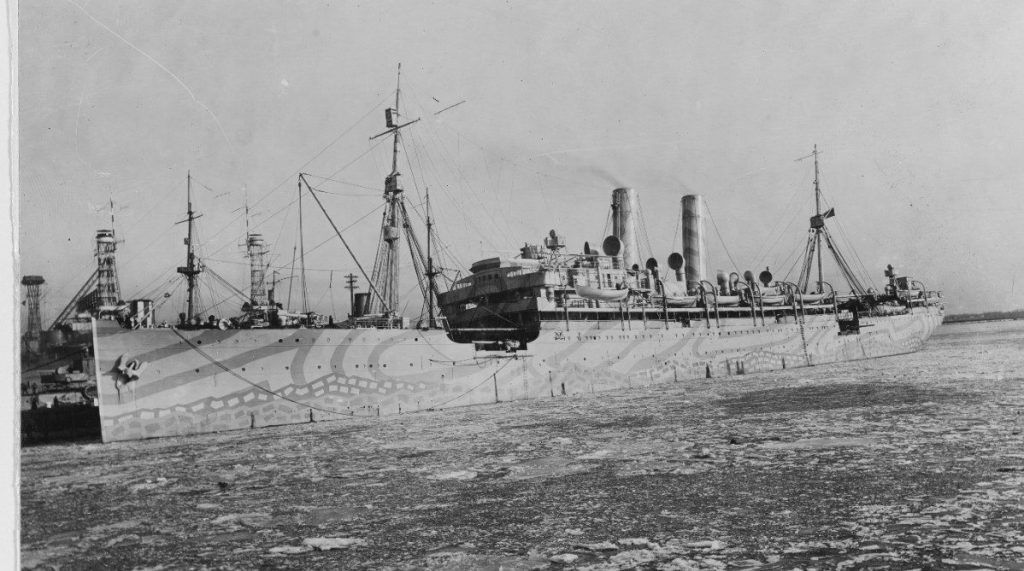
id 3010 USS DEKALB in pattern N46A
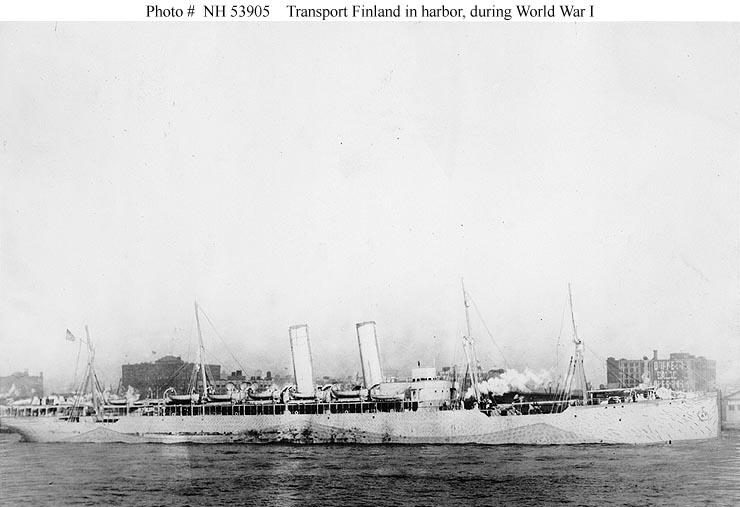
id 4543 USS FINLAND in Mackay ~ 1917
id 1541 USS KROONLAND in Mackay pattern
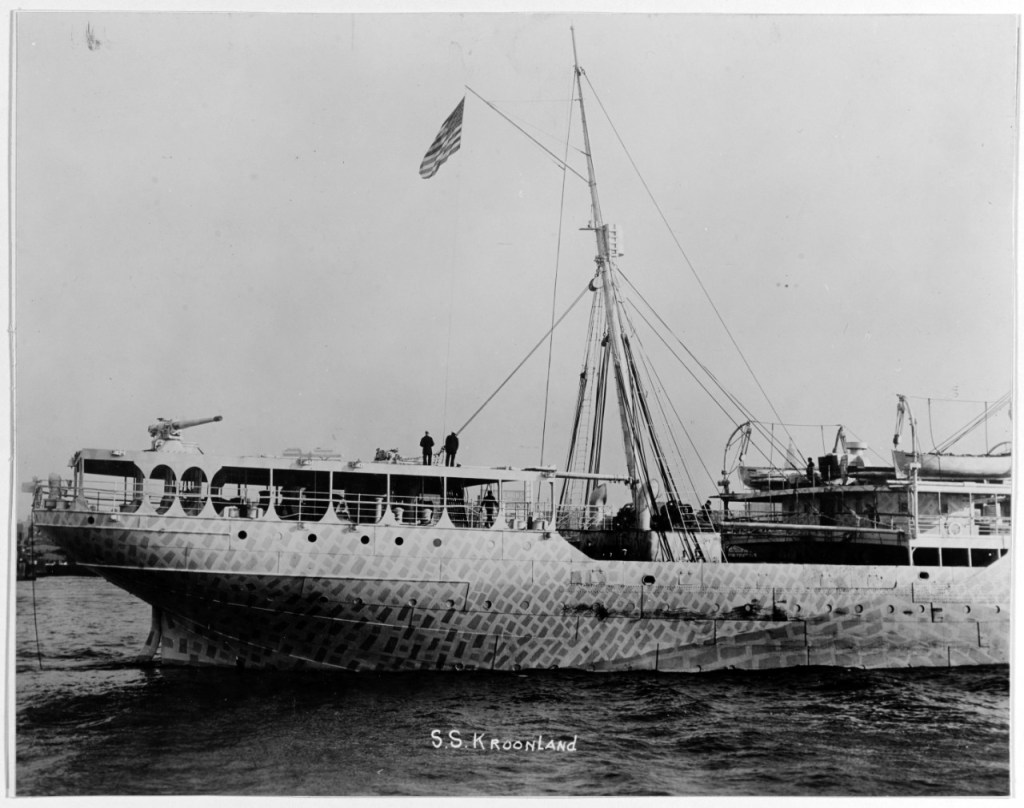
id 1541 USS KROONLAND in pattern N51B
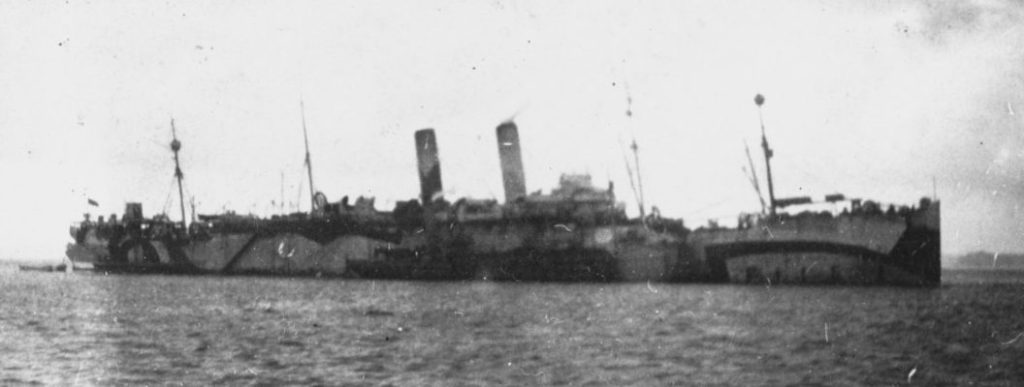
id 2507 USS ZEELANDIA in pattern N20A
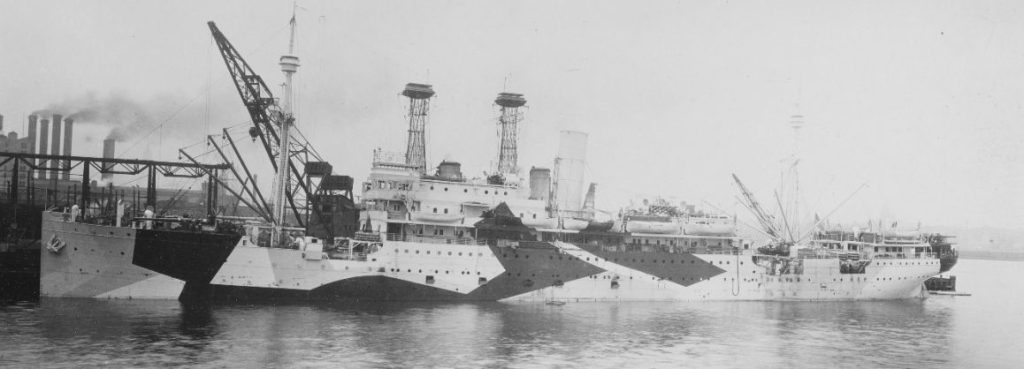
id 1645 USS PLATTSBURG in Mackay pattern
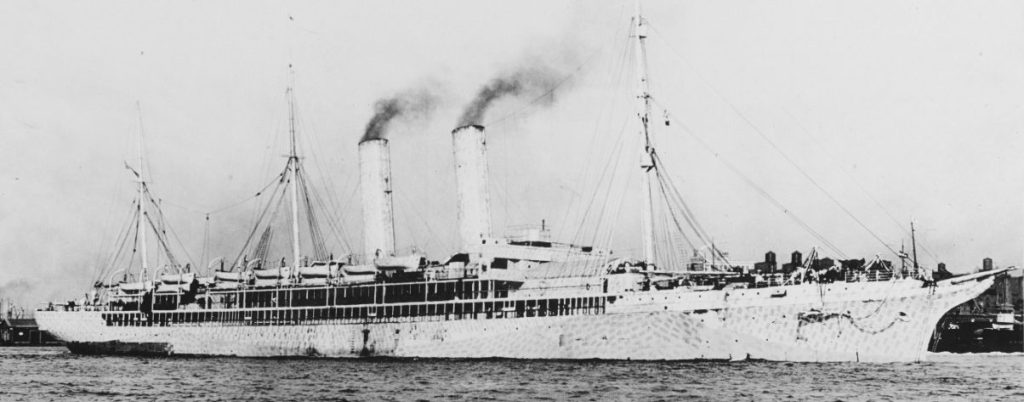
id 1645 USS PLATTSBURG in pattern N49A
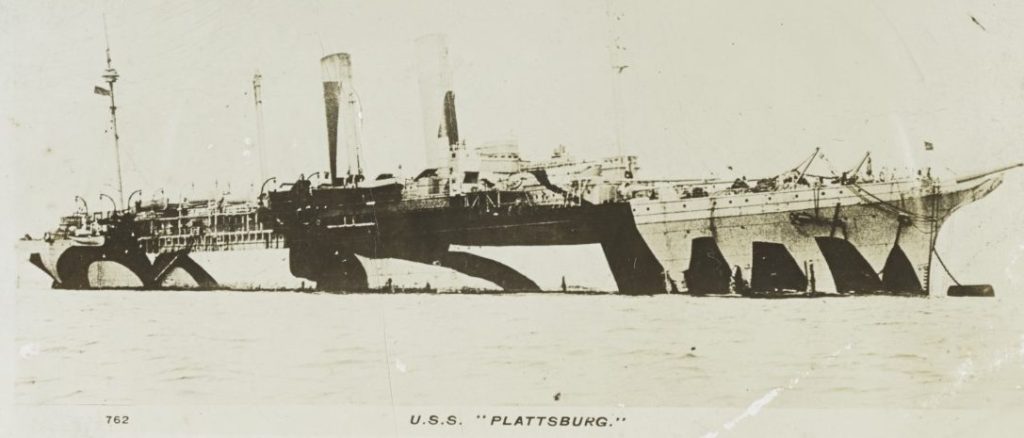
id 1603 USS HARRISBURG in pattern N49B
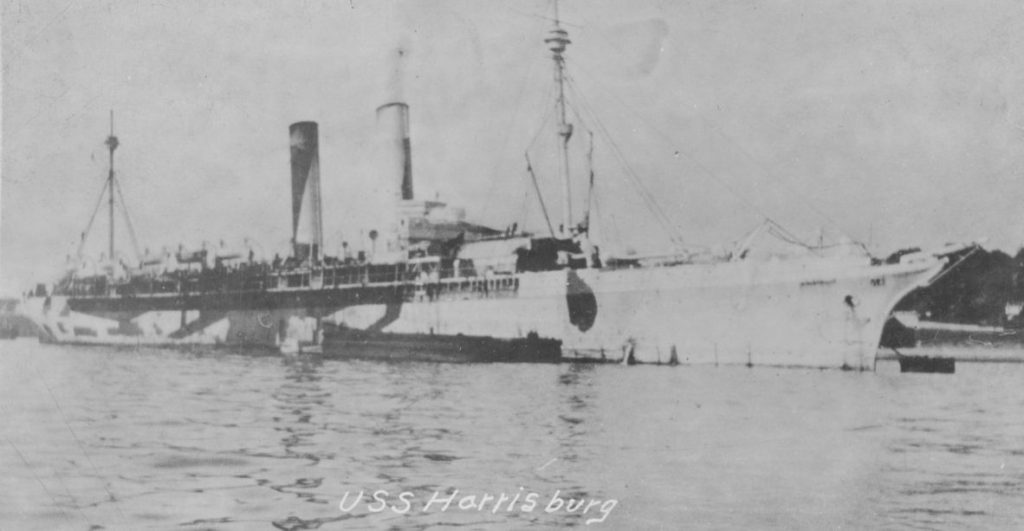
id 1414 USS TROY in Mackay pattern
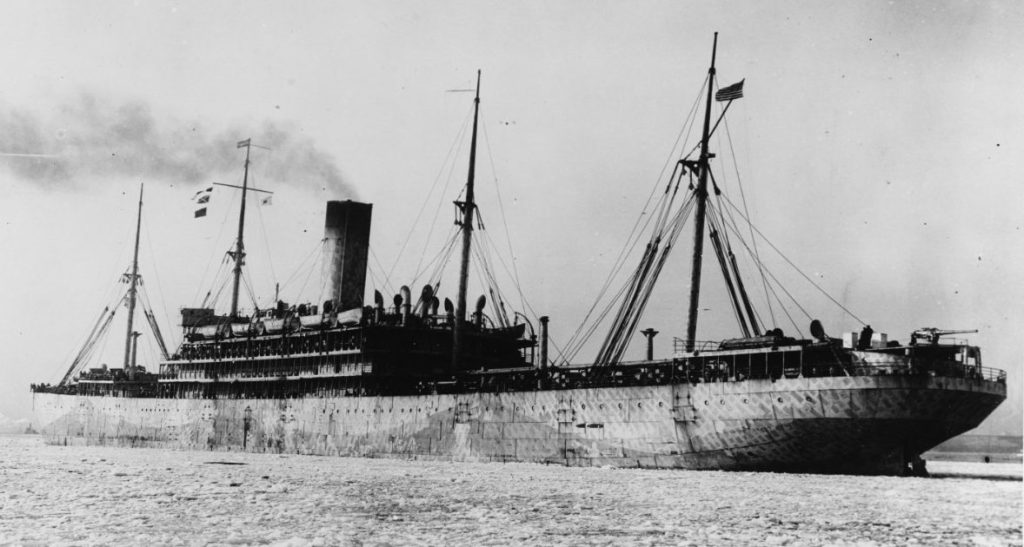
id 1644 USS ST LOUIS (later LOUISVILLE) in Mackay pattern
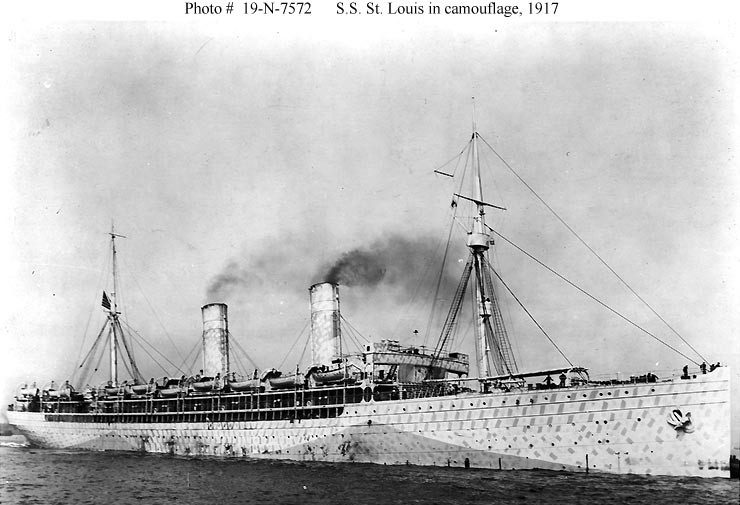
id 1644 USS ST LOUIS (later LOUISVILLE) in Brush pattern
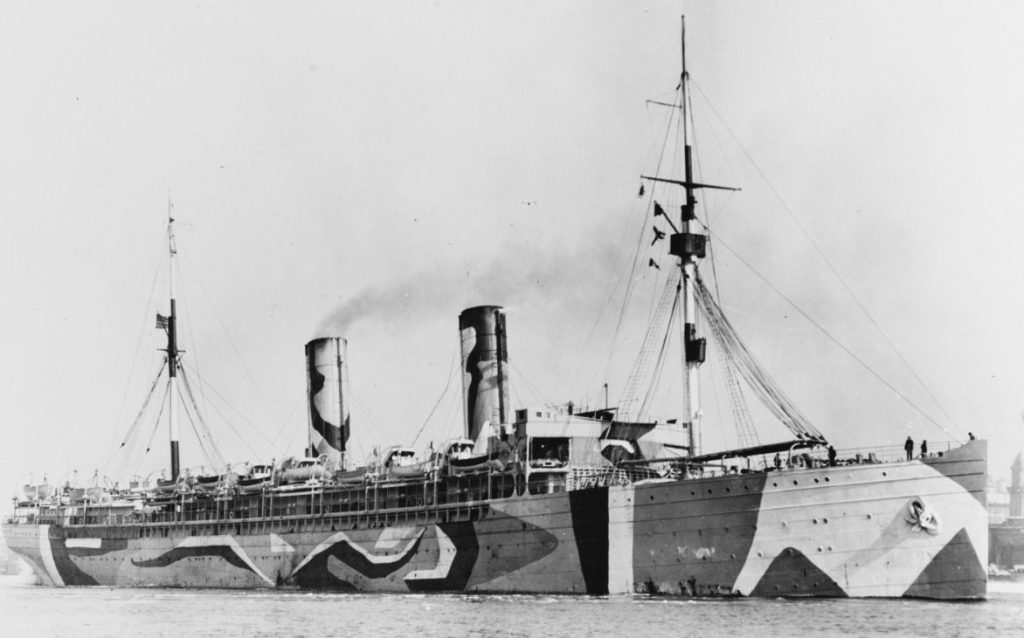
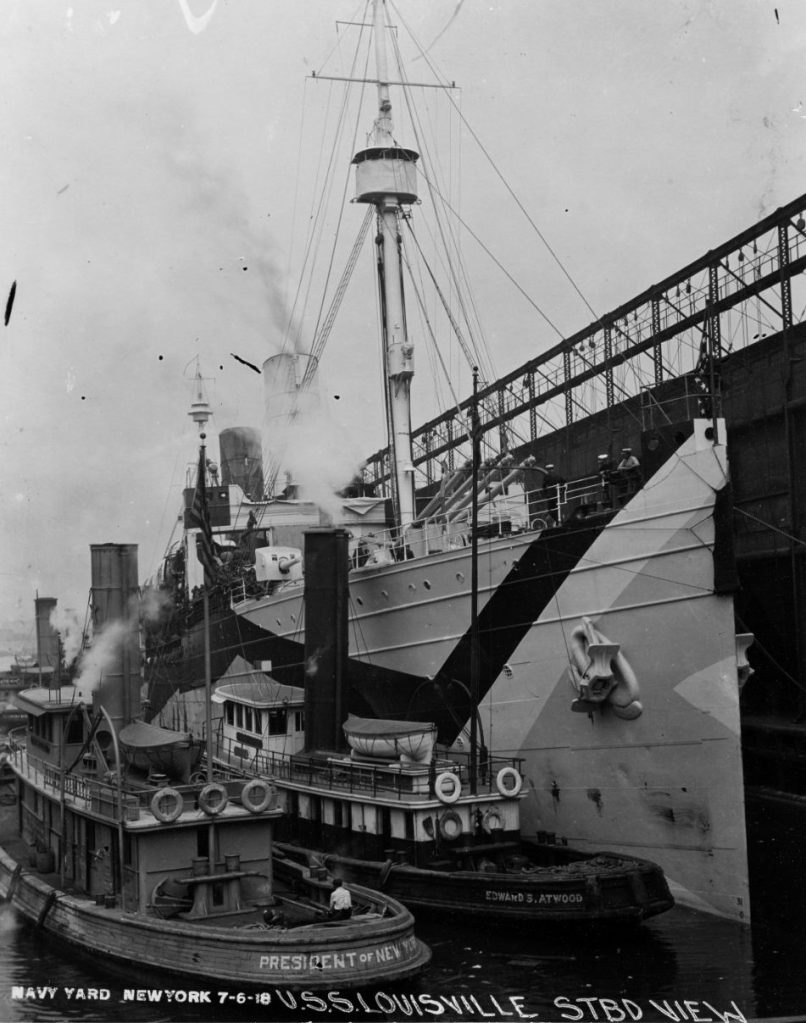
id 1644 USS LOUISVILLE (ex ST LOUIS) in pattern N50B
id 1643 USS ST PAUL in

